Anatomy of Perfection: Design Details of TRACZ Stuffing Trolleys and Hygiene Standards
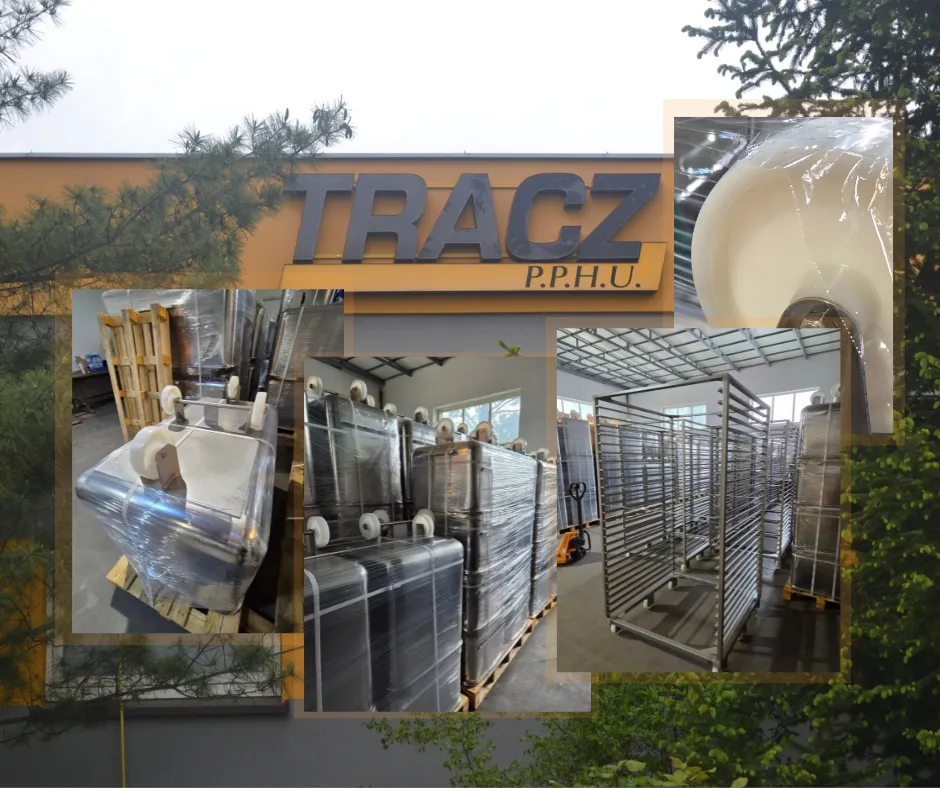
In the meat processing industry, reliability and biological safety are decided by microns — discover the engineering details of TRACZ stuffing trolleys that redefine hygiene standards.
Uncompromising welding: eliminating microbiological risk
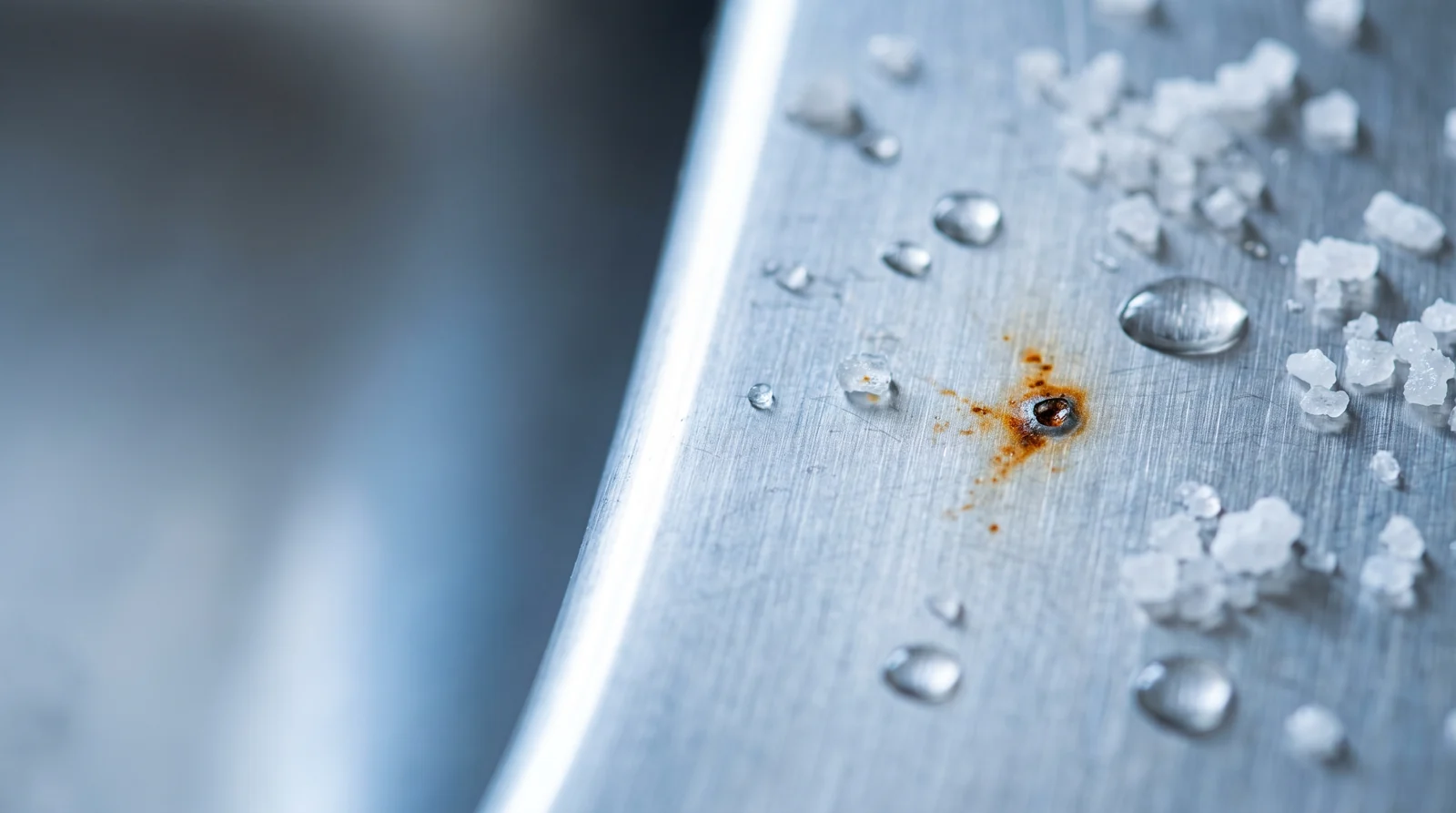
Designing equipment for the food industry demands an uncompromising approach to microbiological cleanliness. The classic stuffing trolley (compliant with the DIN 9797 standard), though seemingly simple, becomes a showcase of advanced welding craftsmanship when built by P.P.H.U. TRACZ. The key structural elements are the welds — continuous, precisely ground and etched, completely eliminating the risk of micro-crevices. As a producer, you gain certainty: no organic residues will accumulate and no bacterial biofilms will develop in these areas, removing a threat to the safety of your entire production batch.
Ergonomics and durability: a structure built for heavy work
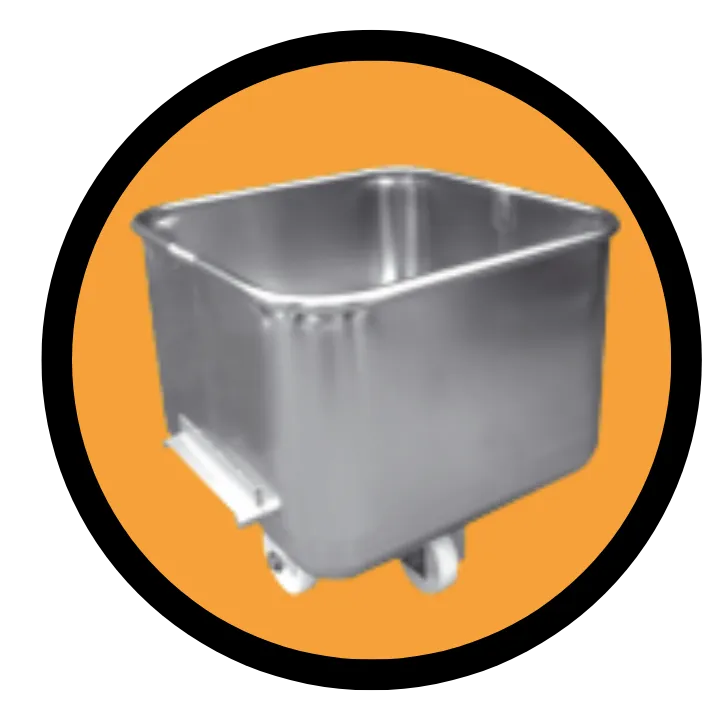
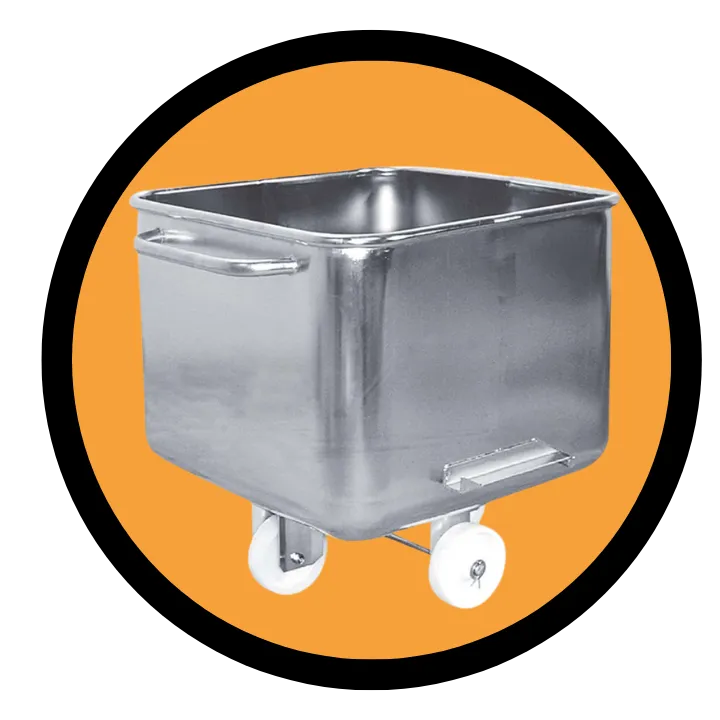
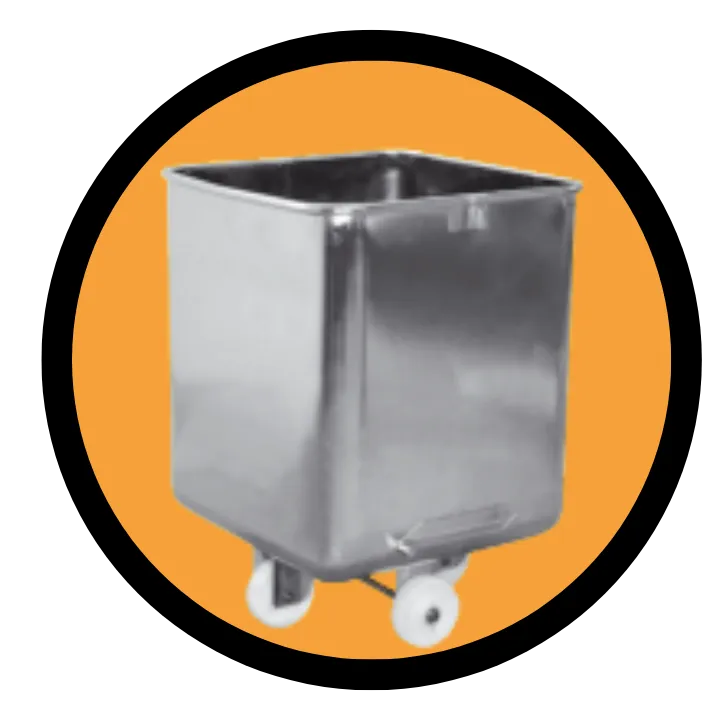
Every detail visible on the finished products leaving the TRACZ plant has a functional and structural justification. The thick, solidly welded side handles (lifting lugs) are perfectly symmetrical, guaranteeing smooth and safe operation with column and arm-type mechanical lifters when discharging stuffing into processing machines. The upper edge of the trolley is rolled and reinforced in a way that prevents process liquids from running under the rim, and the base of the structure features additional ribbing that prevents deformation under maximum load.
Reliable mobility: running gear resistant to chemicals and temperature
The running gear is another pillar of reliability that our tailor-made engineering philosophy emphasises. Specially profiled low-friction polymer wheels, mounted on solid stainless steel brackets, ensure excellent manoeuvrability even at a full load of 120 L, 200 L or 300 L. These wheels are fully resistant to aggressive cleaning chemicals and to the high temperatures used during rigorous plant disinfection — which translates directly into decades of trouble-free operation.
Key engineering facts
- Base material: high-grade stainless steel with reduced surface roughness.
- Weld type: continuous, double-sided, fully flattened and polished in food-contact zones.
- Industry compatibility: full compatibility with lifting systems built to the DIN 9797 standard.
- Rim design: a safe, hygienic rolled profile that prevents the build-up of contaminants.
- Applications: meat and sausage processing, fish processing and ready-meal production.